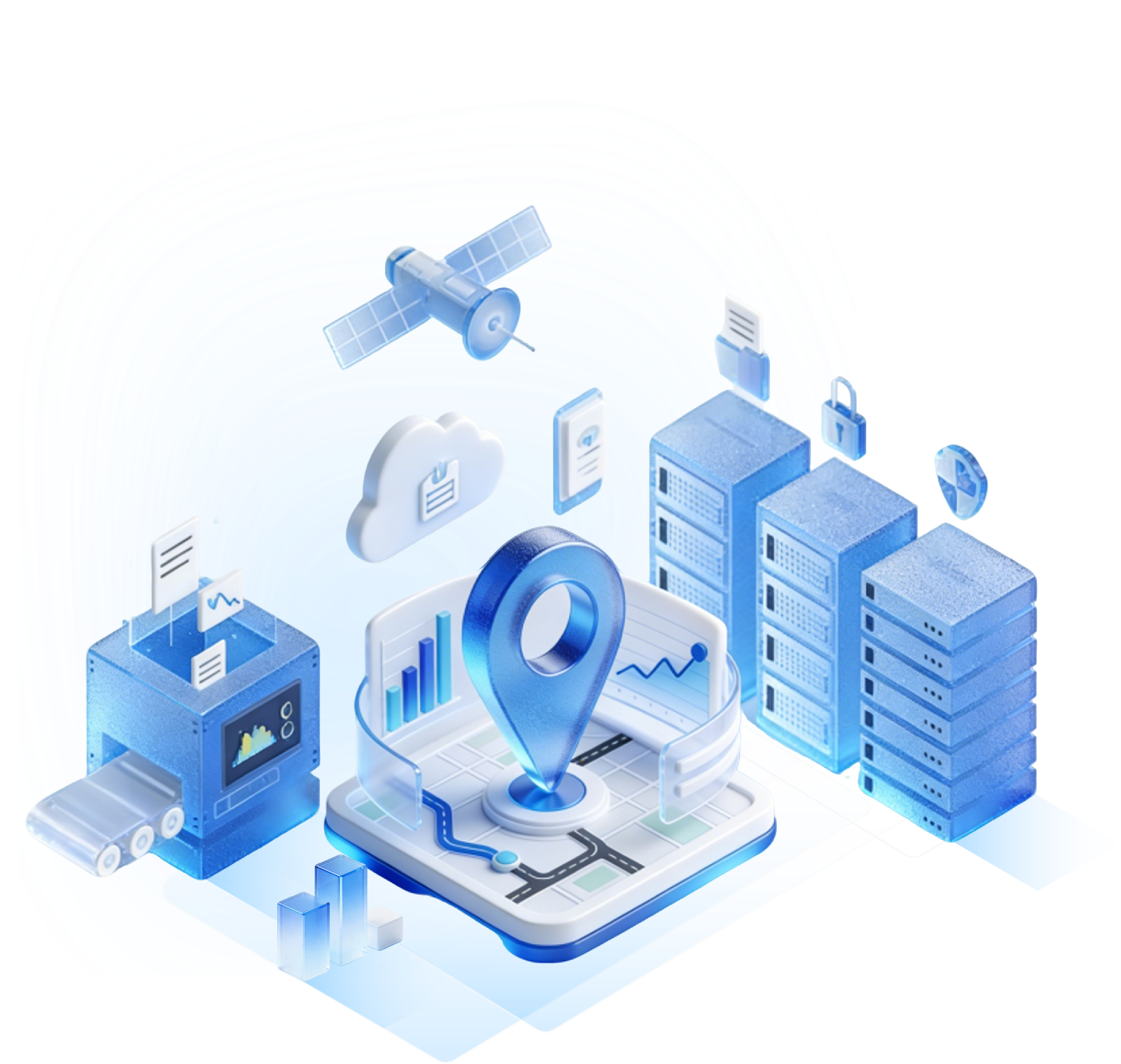
Hospitals track medical equipment in real time by using RTLS (Real-Time Location Systems). RTLS in hospitals combines location tags, indoor positioning infrastructure, and software platforms to enable real-time medical equipment tracking across complex healthcare environments.
As a core component of healthcare asset tracking, RTLS allows hospitals to monitor where medical devices are located, how they move, and whether they are being used efficiently.
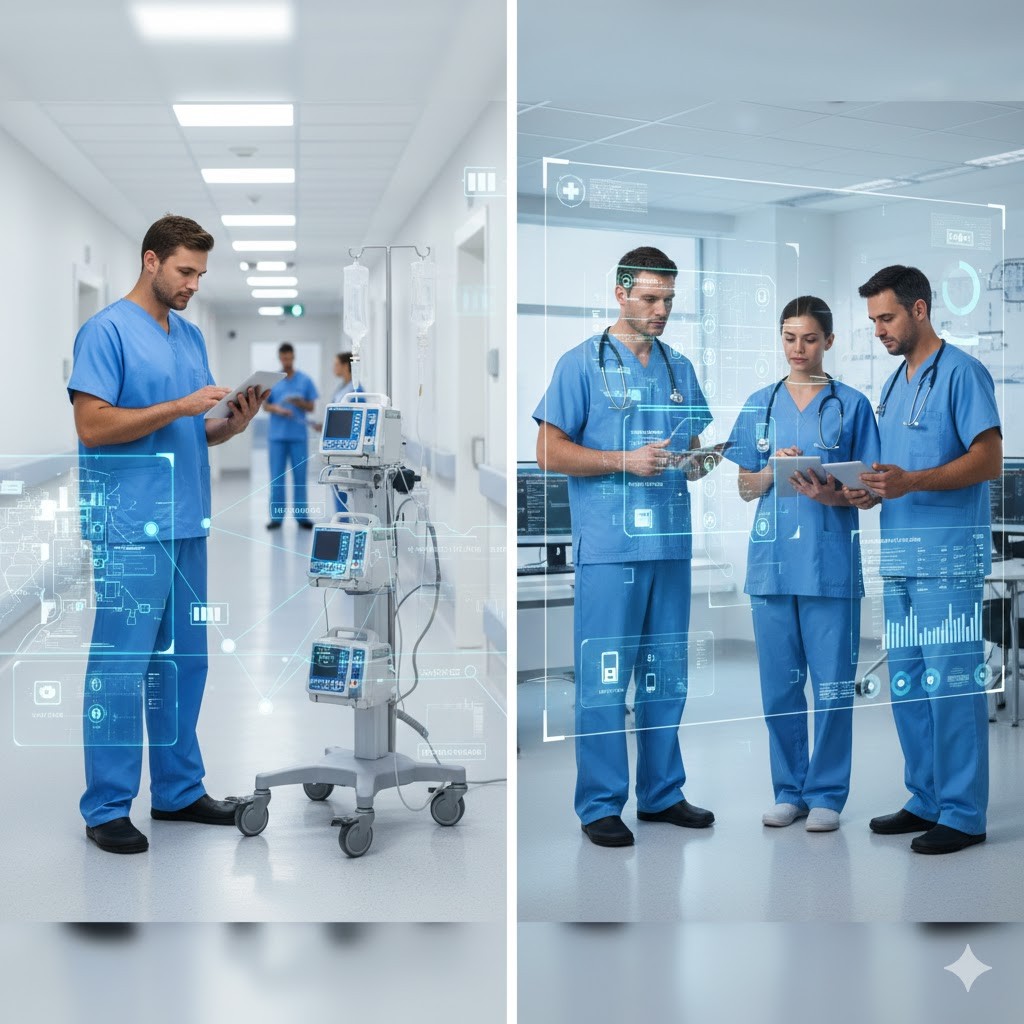
By enabling continuous real-time tracking of assets such as infusion pumps, wheelchairs, ventilators, and portable monitors, RTLS for hospitals helps reduce search time, prevent asset loss, and ensure critical equipment is available when needed.
This article provides a complete explanation of RTLS in healthcare covering what RTLS is, why hospitals need it, how RTLS asset tracking works, key benefits, use cases, technologies, implementation strategies, and real-world examples—so you don’t need to read any other resource.
Why Is Tracking Medical Equipment a Major Challenge in Hospitals?
In modern healthcare environments, hospital RTLS systems are becoming essential because traditional equipment tracking methods no longer scale.
Shared Equipment Across Departments
Medical devices are shared across emergency rooms, ICUs, operating rooms, and inpatient wards. Without asset tracking RTLS, staff often lose visibility once equipment leaves a department.
Time Wasted Searching for Devices
Without real-time medical equipment tracking, nurses and technicians spend significant time manually searching for assets—time that should be spent on patient care.
Equipment Loss and Hoarding
The absence of reliable RTLS asset tracking leads to equipment hoarding, misplaced devices, and unnecessary replacement purchases.
Lack of Utilization Data
Hospitals without RTLS in hospitals lack accurate data on asset usage, making it difficult to optimize inventory and purchasing decisions.
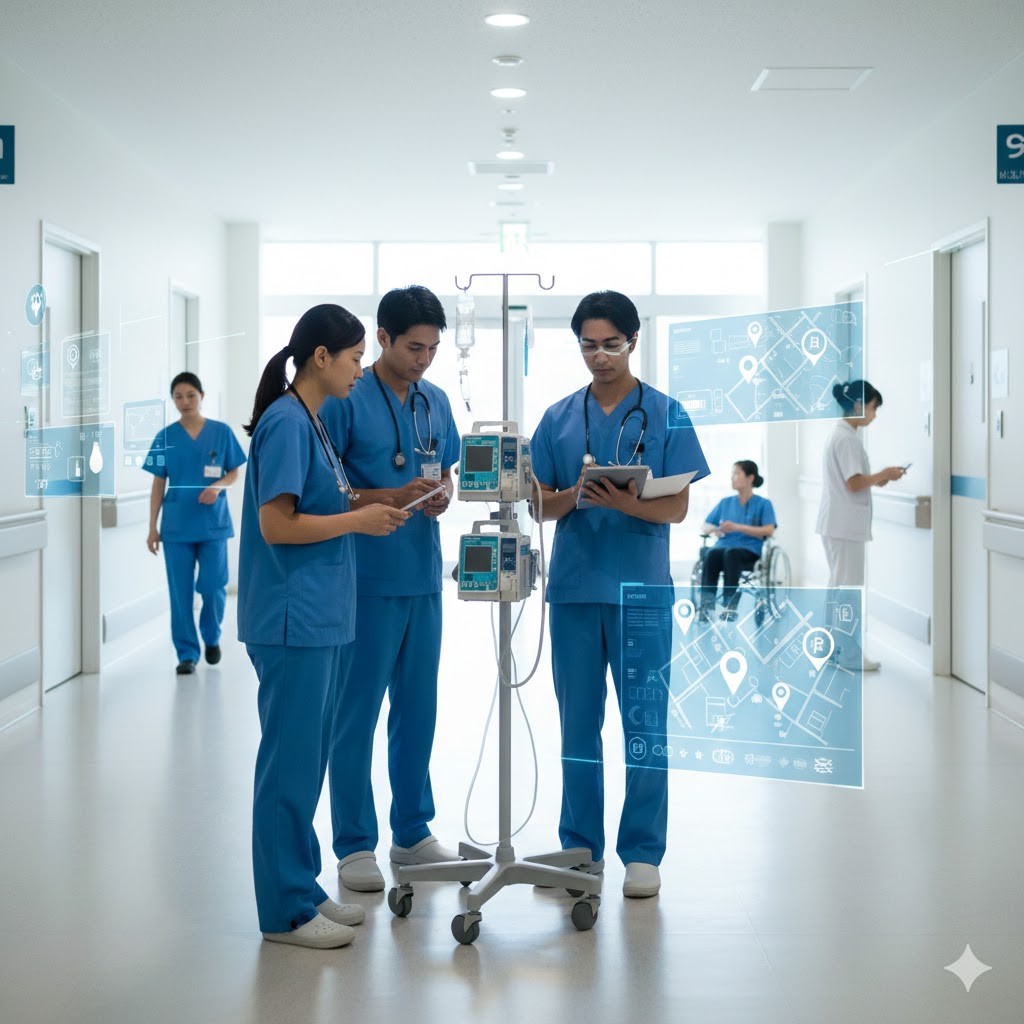
What Is RTLS in Hospitals? RTLS Definition
RTLS in hospitals refers to a technology framework that enables real-time tracking of medical equipment, staff, and sometimes patients within indoor healthcare facilities.
As part of RTLS in healthcare, these systems transform physical medical assets into digitally trackable resources.
How RTLS Works
A typical hospital RTLS system includes:
Location tags attached to medical equipment
Anchors or sensors installed throughout the hospital
A centralized RTLS platform
Dashboards providing real-time tracking and historical movement data
Together, these components enable continuous rtls asset tracking across the entire facility.
Why Do Hospitals Need RTLS?
Hospitals adopt RTLS for hospitals to address operational, financial, and clinical challenges.
Operational Efficiency
By enabling real-time medical equipment tracking, RTLS significantly reduces the time spent locating devices.
Cost Control
Healthcare asset tracking powered by RTLS improves utilization rates and reduces unnecessary capital expenditures.
Patient Safety and Quality of Care
With RTLS in healthcare, hospitals can ensure that critical equipment is immediately available during emergencies, supporting faster clinical response times.
How Does RTLS Solve Hospital Equipment Tracking Problems?
Asset tracking RTLS directly maps hospital pain points to practical solutions.
Hospital Challenge | RTLS Solution |
Searching for equipment | Real-time tracking via RTLS |
Equipment loss | Geofencing and alerts |
Over-purchasing | RTLS asset utilization analytics |
Emergency delays | Instant equipment availability |
Manual inventory | Automated healthcare asset tracking |
By implementing RTLS in hospitals, equipment management shifts from reactive searching to proactive, data-driven decision-making.
Key RTLS Use Cases in Hospitals Medical Equipment Tracking
The most common application of RTLS asset tracking is monitoring high-value medical devices, including:
Infusion pumps
Wheelchairs and stretchers
Ventilators
Portable diagnostic equipment
Staff can locate equipment instantly using hospital RTLS dashboards.
Staff Workflow Optimization
Many RTLS in healthcare deployments also analyze staff movement to improve workflows and reduce operational inefficiencies.
Patient Flow and Safety
Some hospitals extend RTLS for hospitals to patient flow management, enhancing safety, compliance, and throughput.
Benefits of Using RTLS in Hospitals Improved Operational Efficiency
Hospitals using RTLS in hospitals commonly reduce equipment search time through continuous real-time tracking.
Cost Savings
With accurate healthcare asset tracking, hospitals reduce equipment loss and avoid unnecessary purchases.
Enhanced Patient Care
Real-time medical equipment tracking ensures that clinicians can access the right device at the right time, improving care quality and outcomes.
RTLS Technologies for Hospitals: BLE vs UWB vs Wi-Fi vs RFID
Different RTLS for hospitals technologies support different levels of accuracy and cost.
BLE RTLS
Cost-effective RTLS asset tracking
Suitable for large-scale healthcare asset tracking
UWB RTLS
High-precision real-time tracking
Ideal for critical care and high-risk environments
Wi-Fi RTLS
Uses existing hospital infrastructure
Moderate accuracy for hospital RTLS applications
RFID
Best for zone-based asset tracking RTLS
Limited continuous real-time capabilities
How Hospitals Implement an RTLS System Deployment Process
A typical hospital RTLS implementation includes:
Facility assessment
Asset tagging
Infrastructure deployment
Calibration and testing
System Integration
Modern RTLS in healthcare platforms integrate with:
HIS
CMMS
IoT analytics systems
Cost and ROI Considerations
Although RTLS for hospitals requires upfront investment, most organizations achieve ROI through improved efficiency and reduced asset loss.
Real-World Examples of RTLS in Hospitals Example: Large Urban Hospital
Challenge: Poor visibility into mobile medical assets
Solution: BLE-based RTLS asset tracking
This demonstrates the practical value of RTLS in hospitals for real-world healthcare operations.
Frequently Asked Questions About RTLS in Hospitals
What is RTLS in healthcare used for?
RTLS in healthcare is used for real-time tracking of medical equipment, staff, and patients to improveefficiency and safety.
How accurate is RTLS asset tracking?
Accuracy depends on technology. UWB provides the highest precision, while BLE and Wi-Fi support room-level tracking.
Is RTLS safe in hospital environments?
Yes. Hospital RTLS systems are designed to operate safely alongside medical devices.
How long does it take to deploy RTLS for hospitals?
Deployment typically takes weeks to months depending on hospital size and complexity.
Conclusion: One System, Full Visibility
Hospitals rely on RTLS in hospitals to achieve continuous real-time medical equipment tracking and comprehensive healthcare asset tracking. As healthcare facilities grow larger and more complex, RTLS for hospitals has become a foundational system rather than an optional tool.
With hospital RTLS solutions in place, organizations move beyond manual searches to data-driven asset management—ensuring that critical medical equipment is always visible, accessible, and ready for use.
Blueiot provides enterprise-grade RTLS in healthcare solutions designed specifically for hospital environments. By combining high-accuracy positioning technologies with scalable platforms and open integrations,
Blueiot helps hospitals deploy reliable RTLS asset tracking systems that deliver measurable efficiency gains, cost savings, and improved patient care.
For hospitals looking to modernize asset management and achieve full operational visibility, BlueIOT RTLS solutions offer a proven path from real-time tracking to long-term digital transformation
Each location is meaningful!
Get real-time tracking insights and solutions tailored to your needs.
Enter your email to get our newsletter on best-in-class RTLS, AoA, and BLE solutions.

Sign-up
successful !
Our team will get in touch with you
shortly.


 Search