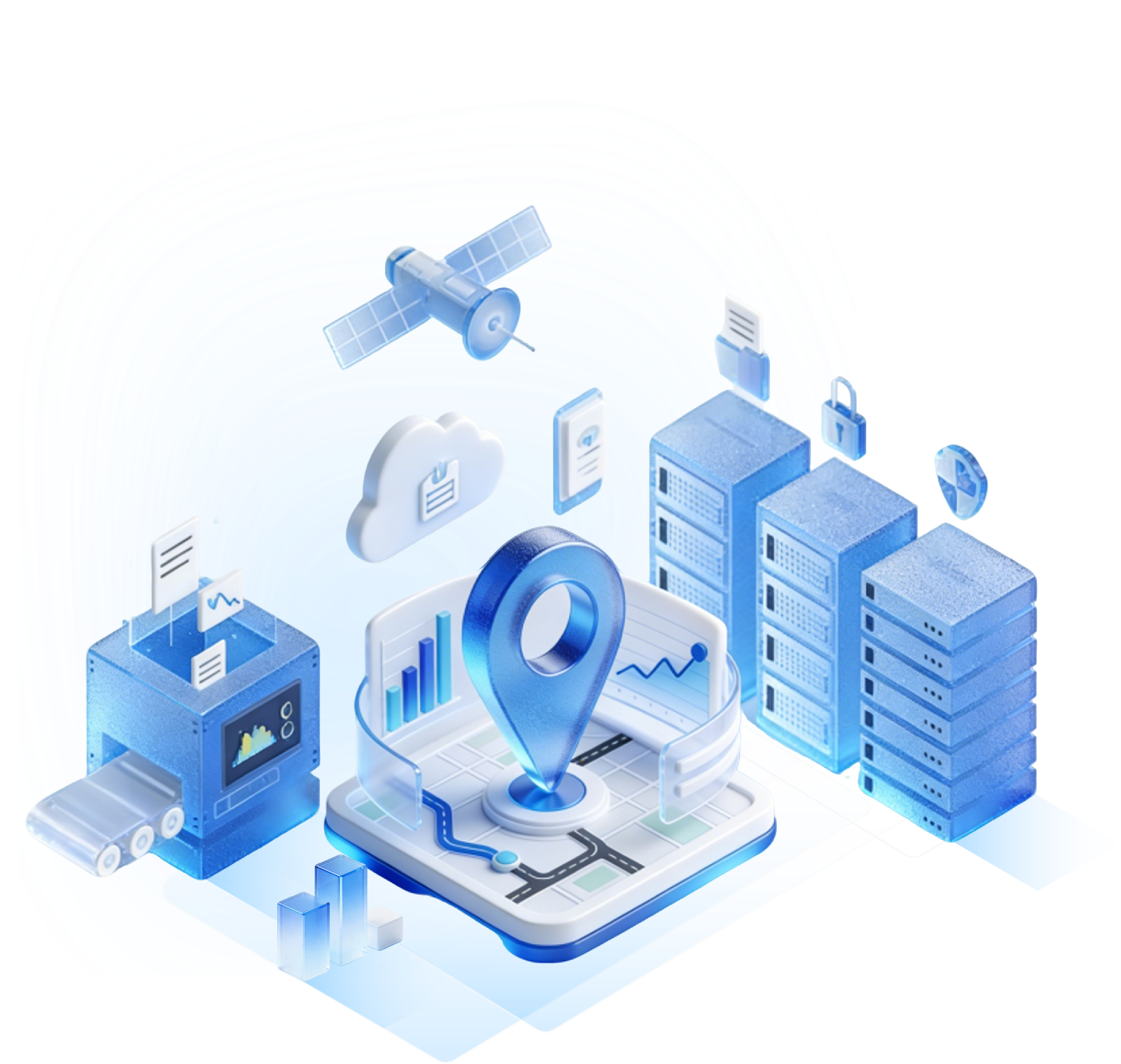
RTLS improves remote patient monitoring in emergency departments by adding real-time location awareness to clinical monitoring systems, enabling hospitals to continuously track patients, understand their movement and status, and respond faster to safety risks.
Traditional remote patient monitoring (RPM) focuses mainly on vital signs such as heart rate, oxygen saturation, or blood pressure. However, in the emergency department (ED), vital signs alone are not enough. Patients move frequently, change care zones, wait in different areas, or leave beds without notice. Without knowing where a patient is, hospitals cannot truly monitor them remotely.
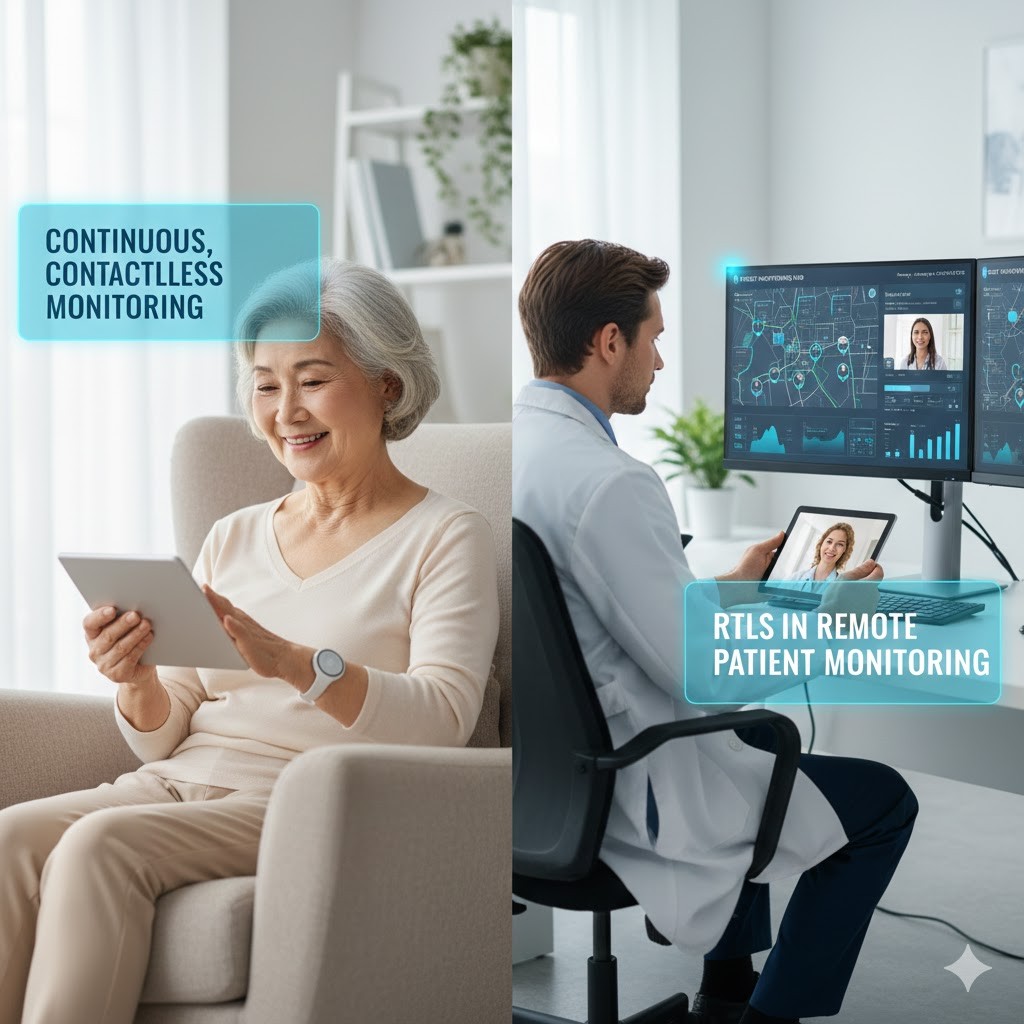
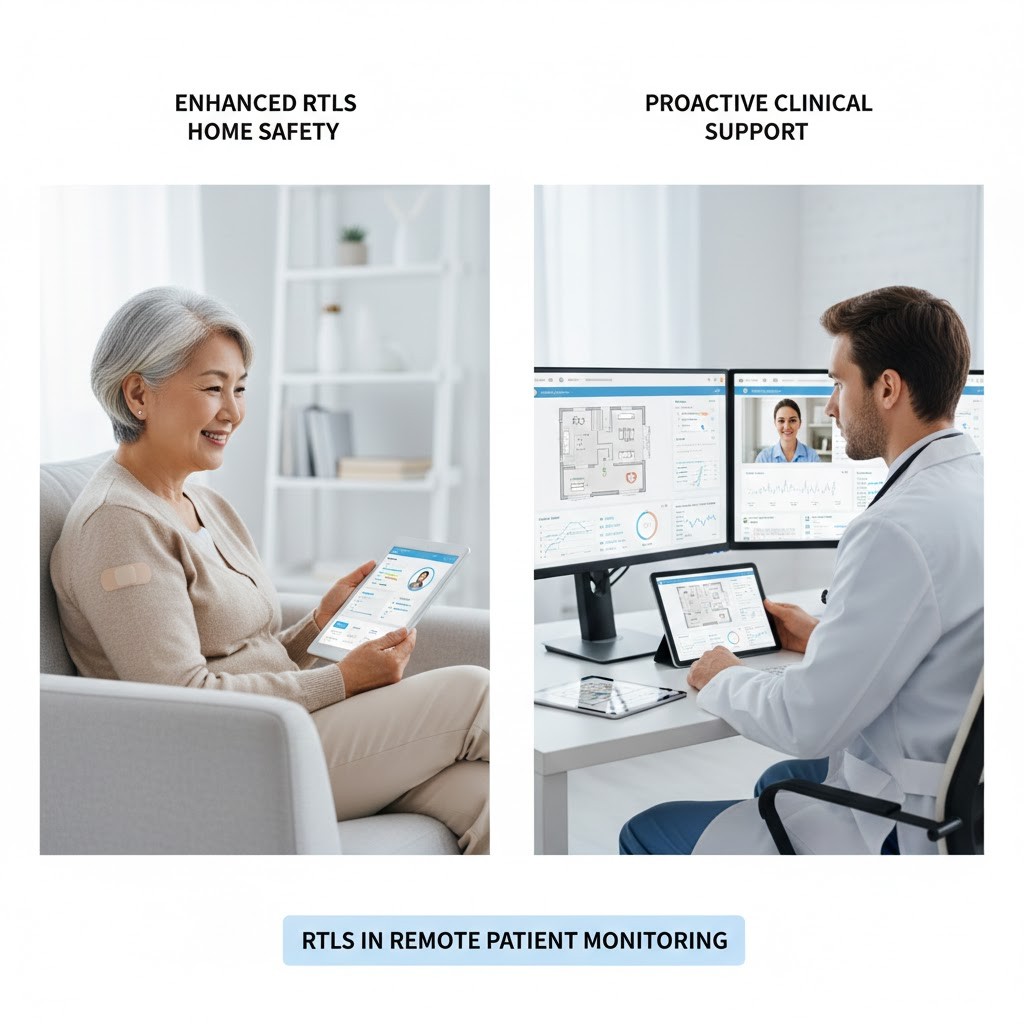
By integrating healthcare RTLS with remote patient monitoring software, hospitals gain a complete, real-time view of who the patient is, where the patient is, and what condition the patient is in—all at the same time.
This article explains, in full detail, how RTLS in healthcare transforms remote patient monitoring in emergency departments, the problems it solves, how it works, and how hospitals can implement it successfully.
What Is Remote Patient Monitoring in Emergency Departments?
Remote patient monitoring (RPM) refers to the use of digital technologies to collect patient health data continuously without requiring constant bedside presence from clinicians.
Remote Patient Monitoring in the ED Includes:
Continuous monitoring of vital signs
Automated alerts for abnormal conditions
Centralized dashboards for clinical staff
Reduced need for manual observation
Unlike home-based RPM, remote patient monitoring in emergency departments must handle:
High patient turnover
Unpredictable movement
Overcrowding
Limited staff availability
In this environment, RPM systems alone often lack situational awareness—this is where RTLS healthcare systems become essential.
Why Remote Patient Monitoring Is Critical in Emergency Departments
Emergency departments face unique challenges that make traditional monitoring insufficient:
Key Pain Points in ED Patient Monitoring
Overcrowding and long waiting times
Limited nurse-to-patient ratios
Patients waiting in hallways or observation areas
Risk of patient deterioration without continuous visibility
Falls, wandering, and elopement risks
Behavioral health and high-risk patient supervision
Without a reliable patient tracking system, clinicians may not know:
Where a patient has moved
how long a patient has been unattended
Whether a patient has left a safe zone
These gaps directly impact patient safety and care quality.
Limitations of Traditional Remote Patient Monitoring in the ED
Most remote patient monitoring software was not designed for the physical complexity of emergency departments.
Common Limitations
Monitoring vital signs without knowing patient location
No visibility into patient movement or behavior
Delayed response when patients leave care zones
Alarm fatigue caused by isolated alerts
Disconnected systems for monitoring, tracking, and workflows
In short, traditional RPM answers “how is the patient doing?”, but not “where is the patient right now?”
What Is RTLS in Healthcare and Why It Matters for RPM
RTLS (Real-Time Location System) is a technology that continuously tracks the real-time location of people and assets within a defined environment.
RTLS in Healthcare Can Track:
Patients
Staff
Beds and equipment
Care zones and rooms
In emergency departments, RTLS healthcare systems act as the spatial layer for remote patient monitoring.
RTLS adds location, movement, and context to patient monitoring.
This combination transforms RPM from a static monitoring tool into a dynamic, real-time patient tracking system.
How RTLS Improves Remote Patient Monitoring in Emergency Departments
1. Real-Time Patient Location Awareness
RTLS enables hospitals to continuously know where each patient is, even if they move between rooms, waiting areas, or diagnostic zones.
This ensures:
Accurate patient tracking
No loss of visibility during transfers
Full ED-wide monitoring coverage
2. Continuous Monitoring Beyond the Bedside
Patients are not always in beds. RTLS allows tracking patients wherever they go, extending remote monitoring beyond fixed locations.
This is especially critical for:
Waiting areas
Observation units
Overflow zones
3. Zone-Based Monitoring and Smart Alerts
RTLS enables hospitals to define safe and restricted zones.
Examples:
Alerts when a patient leaves a care zone
Notifications for high-risk patient movement
Automatic escalation for prolonged waiting times
This improves patient safety while reducing unnecessary alarms.
4. Movement and Behavior Detection
By analyzing RTLS data, hospitals can detect:
Unexpected patient movement
Prolonged inactivity
Repeated wandering behavior
This contextual data strengthens patient tracker systems and enhances clinical decision-making.
5. Faster Clinical Response with Context-Aware Alerts
RTLS-connected RPM alerts include location context, allowing staff to respond faster and more accurately.
Instead of asking “Which patient?” or “Where are they?”, clinicians can act immediately.
RTLS + Remote Patient Monitoring Use Cases in Emergency Departments
Common Use Cases
Patient tracking system for ED waiting areas
Monitoring high-risk or fall-prone patients
Behavioral health patient supervision
Observation unit monitoring
Elopement prevention
Overcrowding management
Each use case benefits from combining RTLS healthcare with remote patient monitoring software.
Clinical and Operational Benefits of RTLS-Enhanced RPM
Key Benefits
Improved patient safety
Reduced adverse events
Faster response times
Lower staff workload
Improved care quality
Better emergency department efficiency
By using RTLS in healthcare, hospitals transform monitoring into a proactive system rather than a reactive one.
RTLS vs Traditional Remote Patient Monitoring in Emergency Departments
Capability | Traditional RPM | RTLS-Enhanced RPM |
Vital sign monitoring | Yes | Yes |
Patient location tracking | No | Yes |
Movement detection | No | Yes |
Zone-based alerts | No | Yes |
ED-wide visibility | No | Yes |
RTLS turns RPM into a complete patient tracking system
RTLS Technologies Supporting Remote Patient Monitoring
Common RTLS Technologies
BLE-based RTLS (cost-effective, scalable)
UWB-based RTLS (high accuracy for high-risk patients)
Hybrid RTLS architectures
The right choice depends on accuracy requirements, patient risk levels, and ED layout.
How Emergency Departments Implement RTLS-Enabled RPM
Implementation Steps
Assess patient monitoring risks
Define tracking zones
Select wearable patient trackers
Integrate RTLS with RPM software and EHR systems
Train staff and adjust workflows
Monitor and optimize performance
Successful implementation requires both technical planning and clinical collaboration.
Challenges and Considerations
While powerful, RTLS deployment requires attention to:
Patient privacy and data security
Staff adoption
System integration
Accuracy vs cost trade-offs
Addressing these early ensures long-term success.
Frequently Asked Questions (FAQ)
1. Is RTLS part of remote patient monitoring?
RTLS is not a replacement for RPM but a critical enhancement that adds real-time location and movement awareness.
2. Can RTLS improve patient safety in emergency departments?
Yes. RTLS helps prevent falls, wandering, and delayed response by continuously tracking patient location.
3. How accurate is RTLS for patient tracking?
Accuracy depends on the technology used. BLE RTLS typically provides room-level accuracy, while UWB offers higher precision.
4. Does RTLS replace clinical staff observation?
No. RTLS supports staff by improving visibility and reducing manual tracking, not replacing clinical judgment.
5. How long does it take to deploy RTLS in an ED?
Deployment timelines vary but typically range from a few weeks to a few months, depending on scope and integration complexity.
Conclusion: Smarter Remote Patient Monitoring Starts with Visibility
Remote patient monitoring in emergency departments cannot succeed without knowing where patients are in real time. By combining RTLS, healthcare RTLS platforms, and remote patient monitoring software, hospitals gain complete visibility into patient status, movement, and safety.
Blueiot provides advanced RTLS healthcare solutions designed specifically for complex hospital environments. With accurate patient tracking, scalable infrastructure, and seamless system integration, Blueiot helps emergency departments build smarter, safer, and more effective remote patient monitoring systems.
For hospitals seeking to modernize patient monitoring and improve emergency care outcomes, Blueiot RTLS solutions offer a proven path to full visibility and real-time control.
Each location is meaningful!
Get real-time tracking insights and solutions tailored to your needs.
Enter your email to get our newsletter on best-in-class RTLS, AoA, and BLE solutions.

Sign-up
successful !
Our team will get in touch with you
shortly.


 Search